Here is the second part of my list of worthwhile fiction for Catholic High Schoolers. (Check out Part 1 here). I recommend these books for young adults sixteen and older either because of a more challenging theme or more mature content such as graphic violence, situations involving fornication or adultery, or language. I will specify why each book requires a more mature reader to better assist you as the parent in determining what is appropriate for your teenager.
The three Bronte sisters each wrote a classic. Charlotte Bronte’s Jane Eyre is the fascinating story of a young woman’s moral and spiritual growth to adulthood through the tumultuous love affair she engages in with her pupil’s guardian. Mature content includes an adulterous affair, sensuality, and mature themes.

Emily Bronte’s single published book is Wuthering Heights , a book showing both a deep moral sensibility in its author and a shocking immorality in its characters. Themes about the havoc sin wreaks on the perpetrators and even an entire community are twined with a story about forbidden love and vengeance.

Ann Bronte’s The Tenant of Wildfell Hall is yet another book that is attempting to uphold morality by showing the consequences of sin in sharp, ugly detail. Alcohol use, illicit affairs, and adultery make this appropriate for a more mature reader.

I recommend most of G. K. Chesterton’s fiction for an older reader simply because his soaring imaginative genius can be better grasped and appreciated the older one gets. Manalive  , was my favorite Chesterton book as a teenager, inspiring me to live each day with passion and purpose, rejoicing in being alive. On a more basic level, this is also one of Chesterton’s funniest works.

The Flying Inn: A Novel is another simply hilarious work about a band of madcap rebels resisting prohibition and arrest in a merry journey across England.

Chesterton takes on atheism in The Ball and the Cross . A passionate Christian and equally passionate atheist desire to duel over their differences, but find themselves unlikely allies when the government refuses to allow them to fight over their difference in belief.

The Paradoxes Of Mr Pond is a series of loosely connected mystery stories, thought-provoking and entertainingly recounted.

The Poet and the Lunatics: Episodes in the Life of Gabriel Gale  is another collection of mystery stories, this time exploring the idea that a half mad poet may be the person best suited to understand and solve crimes committed by lunatics.

The Man Who Was Thursday is the book subtitled “A Nightmare” by Chesterton, and it is indeed a topsy-turvy, mind-bending adventure-mystery novel. Somehow Chesterton manages to combine allegorical and philosophical with fast-paced and exciting.

Wilkie Collins wrote two fascinating mystery stories, particularly notable for their use of first person narratives from a variety of characters to tell the story. The Woman in White is a romance, a mystery, and an examination of the vulnerability of English women in the nineteenth century. Mature content includes an abusive forced marriage.

Collins’ most famous book, The Moonstone , is both a captivating mystery and important from a literary perspective as one of the first modern crime novels.

The Count of Monte Cristo  by Alexandre Dumas is a very lengthy, but worthwhile, novel treating an important theme about whether revenge brings real happiness or healing. Mature but not explicit content about an out of wedlock relationship resulting in a child, murders, and the main character having a mistress.

George Eliot’s most famous work is probably Middlemarch, but I personally enjoyed Daniel Deronda very much. Although long, this book explores many worthy themes about the importance of family, the Jewish people’s place in history, friendship, and true love being willing the best for the other person. Mature content includes illegitimate children, adultery, and domestic abuse.

C. S. Forester’s Hornblower Saga is a long series of books chronicling the adventures of a British naval officer beginning with Mr. Midshipman Hornblower , set in 1793 during the Napoleonic wars, and following him to promotions, wars, and self-growth.

Elizabeth Gaskell’s Wives and Daughters and North and South
  are two enjoyable and thought-provoking books, each in their own way. Wives and Daughters centers around the family, exploring personal relationships and human nature through a comedic lens. North and South, though also revolving around a romantic plot, takes on larger themes about capitalism and humanism.

Nathaniel Hawthorne’s classic work The Scarlet Letter is a compelling study of sin and its consequences. For a mature reader due to a plot revolving around adultery and an illegitimate child.

A familiarity with Homer is necessary in a well-read individual, so certainly have your teenager read The Iliad and The Odyssey
 .
.

I have two more C. S. Lewis titles to add to my recommended list. Till We Have Faces: A Myth Retold is the story of Cupid and Psyche retold by Psyche’s plain sister. This is a masterful explanation of human emotions and motivations, and Lewis called it his best book.

The Great Divorce is an amazing allegory about heaven and hell, perfect scope for Lewis’ trademark clear distinctions and concise philosophical explanations. He raises questions such as are the gates of hell locked from the outside or inside?

The Betrothed: I Promessi Sposi  , by Allesandro Manzoni, is a powerful story about the power of love and loyalty, as shown by a young couple who though separated for much of the lengthy book never swerve from their devotion to one another. A mature reader due to length.

Taylor Marshall has created a unique book that combines ancient legends about early saints with history and fantasy in Sword and Serpent . I found this book a very enjoyable look at the early church and how famous legends about Saints Blaise, Christopher, Nicholas, and George may have begun. A mature reader due to some sexual references and a truly disturbing look at evil.

Michael O’Brien is a modern day Catholic author of considerable talent. His Children of the Last Days Series begins with Strangers and Sojourners and continues with Father Elijah: An Apocalypse
 , Eclipse of the Sun
  , Plague Journal
  , Sophia House
 , A Cry of Stone, and Elijah in Jerusalem
 . These books are semi-apocalyptic in nature, and contain strong dramatic themes and occasional sexual references, though in a tasteful way. They are deeply Catholic, and should inspire Catholic teenagers and adults to face evil head on, knowing that Christ has already conquered.

Margaret O’Hara’s My Friend Flicka series is one of those books far too often considered a children’s book, when in fact it is more appropriate for older teenagers or adults. The classic story of daydreamer Ken’s coming of age through his love of a horse is beautifully written and utterly memorable. The sequel, Thunderhead
 , is also excellent. I recommend these books for an older reader due to the sexual content between the parents.

George Orwell’s 1984  is one of the most famous books of the modern age, a real modern classic. This dystopian novel is both prophetic and disturbing in its vision of an increasingly totalitarian government which attempts to control every facet of life and brooks no individuality. 1984 is a powerful message not to hand all authority over to and place all trust in a centralized government. Sexual content and violence make me recommend for older readers.

Cry, the Beloved Country by Alan Paton is a look at life for the natives of South Africa under white rule. Beautiful prose, almost poetic in nature, combines with an ugly story of desperation and desolation in an unlikely harmony of that makes this book a classic. Older readers due to violence and despair.

Quo Vadis by H. Sienkiewicz is an enduringly timely story set against the backdrop of Nero’s persecution of the early Church. A young patrician, Marcus, follows a circuitous path to converting to Christianity. Sienkiewicz provides not only a moving portrayal of early Christianity, but also an enlightening look at Nero’s court and ancient Rome. More appropriate for older readers due to sensuality and violence.

The Jeweler’s Shop: A Meditation on the Sacrament of Matrimony Passing on Occasion Into a Drama is a play by Karol Wojtyla, Pope John Paul II. A beautiful reflection on matrimony through the lens of three different couples’ experiences.

Michael Shaara’s The Killer Angels leaves the reader familiar with the main characters and action of the Battle of Gettysburg. An entire novel set during the four days of the battle, this book delves deeply into the thoughts, emotions, and motivations of the players in this decisive battle. For more mature readers due to violence.



 follows 16 Carmelite nuns as they face the guillotine during the French revolution. An inspiring story based on true events.
 by Lloyd Douglas is the fascinating story of a Roman centurion whose life is changed forever when he acquires Christ’s robe.

 I picked up
  which I wholeheartedly recommend as a worthwhile book.


 is one of the most popular series on TV right now, but my review is more specifically about the books by George R. R. Martin on which the series is based.


 is the fascinating story of a young woman’s moral and spiritual growth to adulthood through the tumultuous love affair she engages in with her pupil’s guardian. Mature content includes an adulterous affair, sensuality, and mature themes.
 , a book showing both a deep moral sensibility in its author and a shocking immorality in its characters. Themes about the havoc sin wreaks on the perpetrators and even an entire community are twined with a story about forbidden love and vengeance.
 is yet another book that is attempting to uphold morality by showing the consequences of sin in sharp, ugly detail. Alcohol use, illicit affairs, and adultery make this appropriate for a more mature reader.
 , was my favorite Chesterton book as a teenager, inspiring me to live each day with passion and purpose, rejoicing in being alive. On a more basic level, this is also one of Chesterton’s funniest works.
 is another simply hilarious work about a band of madcap rebels resisting prohibition and arrest in a merry journey across England.
 . A passionate Christian and equally passionate atheist desire to duel over their differences, but find themselves unlikely allies when the government refuses to allow them to fight over their difference in belief.
 is a series of loosely connected mystery stories, thought-provoking and entertainingly recounted.
 is another collection of mystery stories, this time exploring the idea that a half mad poet may be the person best suited to understand and solve crimes committed by lunatics.
 is the book subtitled “A Nightmare” by Chesterton, and it is indeed a topsy-turvy, mind-bending adventure-mystery novel. Somehow Chesterton manages to combine allegorical and philosophical with fast-paced and exciting.
 is a romance, a mystery, and an examination of the vulnerability of English women in the nineteenth century. Mature content includes an abusive forced marriage.
 , is both a captivating mystery and important from a literary perspective as one of the first modern crime novels.
 by Alexandre Dumas is a very lengthy, but worthwhile, novel treating an important theme about whether revenge brings real happiness or healing. Mature but not explicit content about an out of wedlock relationship resulting in a child, murders, and the main character having a mistress.
 very much. Although long, this book explores many worthy themes about the importance of family, the Jewish people’s place in history, friendship, and true love being willing the best for the other person. Mature content includes illegitimate children, adultery, and domestic abuse.
 , set in 1793 during the Napoleonic wars, and following him to promotions, wars, and self-growth.
 and
and  are two enjoyable and thought-provoking books, each in their own way. Wives and Daughters centers around the family, exploring personal relationships and human nature through a comedic lens. North and South, though also revolving around a romantic plot, takes on larger themes about capitalism and humanism.
 is a compelling study of sin and its consequences. For a mature reader due to a plot revolving around adultery and an illegitimate child.
 and
and  .
.
 is the story of Cupid and Psyche retold by Psyche’s plain sister. This is a masterful explanation of human emotions and motivations, and Lewis called it his best book.
 is an amazing allegory about heaven and hell, perfect scope for Lewis’ trademark clear distinctions and concise philosophical explanations. He raises questions such as are the gates of hell locked from the outside or inside?
 , by Allesandro Manzoni, is a powerful story about the power of love and loyalty, as shown by a young couple who though separated for much of the lengthy book never swerve from their devotion to one another. A mature reader due to length.
 . I found this book a very enjoyable look at the early church and how famous legends about Saints Blaise, Christopher, Nicholas, and George may have begun. A mature reader due to some sexual references and a truly disturbing look at evil.
 and continues with
  ,
,  ,
,  ,
,  , A Cry of Stone, and
  . These books are semi-apocalyptic in nature, and contain strong dramatic themes and occasional sexual references, though in a tasteful way. They are deeply Catholic, and should inspire Catholic teenagers and adults to face evil head on, knowing that Christ has already conquered.
 series is one of those books far too often considered a children’s book, when in fact it is more appropriate for older teenagers or adults. The classic story of daydreamer Ken’s coming of age through his love of a horse is beautifully written and utterly memorable. The sequel,
  , is also excellent. I recommend these books for an older reader due to the sexual content between the parents.
 is one of the most famous books of the modern age, a real modern classic. This dystopian novel is both prophetic and disturbing in its vision of an increasingly totalitarian government which attempts to control every facet of life and brooks no individuality. 1984 is a powerful message not to hand all authority over to and place all trust in a centralized government. Sexual content and violence make me recommend for older readers.
 by Alan Paton is a look at life for the natives of South Africa under white rule. Beautiful prose, almost poetic in nature, combines with an ugly story of desperation and desolation in an unlikely harmony of that makes this book a classic. Older readers due to violence and despair.
 by H. Sienkiewicz is an enduringly timely story set against the backdrop of Nero’s persecution of the early Church. A young patrician, Marcus, follows a circuitous path to converting to Christianity. Sienkiewicz provides not only a moving portrayal of early Christianity, but also an enlightening look at Nero’s court and ancient Rome. More appropriate for older readers due to sensuality and violence.
 is a play by Karol Wojtyla, Pope John Paul II. A beautiful reflection on matrimony through the lens of three different couples’ experiences.
 leaves the reader familiar with the main characters and action of the Battle of Gettysburg. An entire novel set during the four days of the battle, this book delves deeply into the thoughts, emotions, and motivations of the players in this decisive battle. For more mature readers due to violence.


 is just the best known of an entire series of loosely connected tales of pioneers struggling for survival in early America. The series begins with
  and continues with
  . These stories, written in the mid-nineteenth century by Cooper, are American classics.
 is Richard Henry Dana’s gripping account of his voyages around Cape Horn, to California, and up and down the New England coast in the mid-nineteeneth century. This American classic showcases travel writing of the best caliber.
 by Daniel Defoe is a fictional biography of a castaway who spent twenty eight years on an island. Written over 300 years ago, this adventure story is still relevent and captivating to young readers of today, particularly for the cell phone generation which has almost no concept of being alone.
 . However, I highly recommend also reading
  , the story of an Indian street boy,
  , in which a spoiled rich boy learns character through life as a sailor, and
  , which chronicles the escapades of an irrepressible trio of English private school boys.
 by Eloise Lownsberry is a captivating account of an apprentice goldsmith inthe Middle Ages growing up in the shadow of the great cathedral at Reims. Action and historical information blend together and the reader closes the book knowing a great deal about cathedrals, Joan of Arc, the 100 Year War, and goldsmithing.
 is a superb blending of a touching love story and the suspense of the French Revolution. This famous novel is always a favorite with high schoolers, especially since it is a shorter read than many classics!
 by George Orwell is a dystopian novel of lasting fame due to its on point satire about the rise of Communism.
 by Jack Schaefer is an American western classic about coming of age, manhood, and sacrifice.
 and
and  have been ill represented in abridgments. Buy or borrow an unabridged version for your children, especially your sons, and let them be entranced by the chivalry of a different age, the grandeur of Scott’s language, and the noble themes of sacrifice and honor.
 . Enough said.
 . I also recommend
  , a fascinating historical fiction novel about justice, revenge, and honor set during the War of the Roses.
 by J. R. R. Tolkien as classics. Someday I will write an entire post on why this story of sacrifice and friendship, real love and twisted evil, should be read by every teenager.
 may be his most famous, but also read
  , a fascinating globe trot by a most unlikely duo: a straight-buttoned Englishman and his free-thinking French servant. My favorite Jules Verne, though, is
  , a spin off of sorts to the more famous 20,000 Leagues Under the Sea, in which a group of Union prisoners of War escape their jailers in Richmond only to find themselves marooned on a very mysterious island.
 by William E. Barrett is an American classic about faith and perseverance.
 . But I have always preferred
  , a slow, gentle story about the sacrificial life of a Catholic missionary priest in the southwest.
 by Myles Connolly is both simple and magnificent. Mr. Blue is a modern day Saint Francis of Assisi, rejecting a vast fortune for a life of self-giving, which makes him joyful. If you love G. K. Chesterton, you will adore this book.
 stories are miniature masterpieces, enjoyable and enlightening. For the reader who enjoys mysteries, I also recommend
 for an eerie, yet in the end logical mystery.
 by Oliver Goldsmith has been so referenced in literature that reading it seems inevitable. A bit slow going, with a decidedly didactic tone, this story of a poor vicar and his family in the eighteenth century is more for literacy than enjoyment.
 , which explores the question of intelligent life of non-human origin on another planet.
  posits the interesting scenario of a second Genesis-style temptation on a new planet, but with the Eve figure receiving advice both from a devil and a human. The final book,
  , is a powerful apocalyptic-type novel. I also highly recommend
  , a series of letters purporting to be from an experienced demon explaining how to tempt and destroy humans.
 is a collection of 38 of his most famous and best loved stories, but he wrote over 600 stories in total so if possible find a complete works at a used book store or library.
 is a heart-warming story of a disabled boy overcoming the odds and making a success of himself by hard work and good character. Porter’s works are notable for their emphasis on natural beauty and themes of nature leading people to God. However, be warned that not all her books are appropriate for younger teen readers! In addition to
  , a charming story of family life and love as told by the youngest in a large midwestern farm family.
 by Rafael Sabatini is a swashbuckling tale about an unassuming Irish physician whom circumstances turn into a successful pirate in the Caribbean. This book raises fascinating questions about honor and duty in the face of injustice and adversity, while also being by turn exciting and downright hilarious.
 by George Bernard Shaw is the play on which the famous My Fair Lady was based. Inspired by a Greek myth, this is a story about what makes gentility, a love story, and a comedy, all at the same time.
 by Thornton Wilder is a fascinating examination of their lives and the circumstances which placed them on the bridge together for the accident.
 by Owen Wister is my favorite western. Soft-spoken and mischievous, gallant and mostly good, the Virginian is a cowboy of the best sort. A thoroughly enjoyable look at cowboy life.
 , starring Bertie Wooster, an independently wealthy, idle, charming, good-natured young gentleman, and his ever-stoic, stupendously intelligent valet, Jeeves.
 and several other loosely connected novels are my favorite Wodehouse books, full of wry humor, hilarious misunderstandings, and the society’s own water. The best in this series, and my favorite Wodehouse novel ever, is
  !
!
 and
and  . Gripping and inspiring, these books focus on the struggles even saints face.
 is a captivating, true story of a young German seminarian who is conscripted into the Nazi army at the start of World War II. His determination not only to remain a faithful Catholic but to still become a priest is truly inspiring.
 is the real Maria Trapp‘s wonderful, funny account of her family’s amazing story. A touching and inspiring story of trust in God, hope amid hardship,and love for all things Catholic, this is one of my favorite biographies.
 by Robert Bolt is a play about the events leading up to the martyrdom of St. Thomas More. Fascinating and inspiring reading.
 by Martin de Porres Kennedy is Catholic apologetics wrapped up in a fictional story about an average, Catholic teenage boy forced to live in the Bible Belt with his passionately Protestant relatives. His relatives’ challenges to the Catholic faith have the unforeseen result of causing the boy to deepen and study his Catholic faith in a new way.
 by Robert Hugh Benson is a dystopian novel about the coming of the anti-Christ and a Catholic priest who resists him. Teenagers love dystopia these days (think of the general obsession with Hunger Games) so this novel from over a century ago should be popular again.
 by Gertrud von Le Fort follows the fate of sixteen carmelite sisters as they face martyrdom during the French Revolution. Will they persevere in faith and joy to the scaffold?
 by Franz Werfel is the captivating story of Bernadette, the visionary of Lourdes.


 by Booth Tarkington is a series of side-bustingly funny anecdotes about young Penrod, the all American mischief maker from midwest USA at the turn of the twentieth century.
 by Ann Lawrence is a “historical fantasy” according to the author, blending Roman Britain’s history with Christian tradition and a generous measure of humor. A thoroughly enjoyable book which defies categories.
 by Frank Gilbreth and Ernestine Gilbreth Carey is a side-splittingly funny account of life in a huge family as told by two of the oldest children.
 by Elizabeth Borton de Trevino is a true story of a young American who finds herself marrying a Mexican despite herself, and the sometimes hilarious, sometimes moving story of their journey to blend their different backgrounds and attitudes into a harmonious marriage.
 is the first in his fantasy Dragon King series. Not great classics, but still an enjoyable coming of age fantasy story about courage, honor, and friendship. There are some interesting themes about Christianity versus paganism which you can direct your teenager to try to identify.
 trilogy. Read my review


 has a gentle, rhythmic text which details the animals preparing their barn for Christ’s coming.
 is a simple retelling of the Christmas story which I particularly like because of its emphasis on Jesus’ birthday as the reason for Christmas and a short explanation of why we give gifts at Christmas: “to show our love.”
 is a very simple rhyming version of the Christmas story.
 is a whimsical story about a baker who learns that sometimes a dozen is really 13, thanks to St. Nicholas’ intervention. This book is perfect for reading on St. Nicholas’ Day prior to decorating gingerbread St. Nicholas cookies!
 is my favorite version of the true story of St. Nicholas. This book’s iconography is a fitting visual companion to the story’s focus on Nicholas’ desire to be an icon of Christ, imitating his Lord in word and deed.

 is a unique Christmas story about a tiny spider who helps save the Christ Child from Herod’s soldiers. The theme of the littlest helping and a fun connection to tinsel make this one worth buying.
 is another fun explanation of a favorite Christmas tradition: candy canes. Very young children can understand this simple story with its explanation of the Christian symbolism of candy canes.
 is another story to explain a Christmas symbol. This legend offers one explanation of the poinsettia: how little Lucida’s selfless, humble gift of weeds to the Christ Child is miraculously transformed to bright red star flowers.
 is a sweet lullaby sung by the Blessed Virgin to Jesus, describing how all of nature is rejoicing at His coming.
 is a favorite of mine. This adorable, wee little mouse named Mortimer hears the Christmas story read and decides to give up his bed for the baby Jesus in the family nativity scene.
 combines the Nativity story from the Gospels of Matthew and Luke with beautiful, illuminated manuscript style illustrations.
 uses the story of a little boy who makes his own infant Jesus statue to introduce your child to an Italian tradition in which the Pope offers a special blessing on the third Sunday of advent to all the infant Jesus figures in St. Peter’s Square.
 is the story of how only the humblest, small star can see past the newborn king’s humble surroundings and recognize his kingship.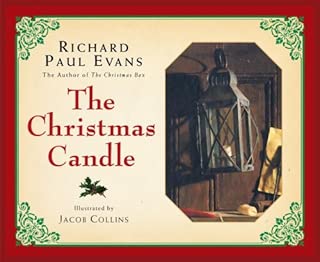
 is a fanciful take on what might happen if a candle gave one Christ’s eyes, and made one see each stranger as a loved family member.

 takes a fresh look at this favorite Christmas carol, offering Scripture verses and interpretive pictures to accompany the verses.
 is a story of how a small boy and his mother’s kindness helps a “scrooge” to recover and bring about a Christmas miracle.
 is a Max Lucado story about a young carpenter’s apprentice who learns to see Christ in those he meets.
 is a wonderful imaginative story about three animals, a horse, an elephant, and a camel who must work together using their unique skills to bring the Wise Men to the infant Jesus.
 is a morality story in which a spoiled princess is guided by her wise parents to learn lessons about selflessness, sympathy, and the joy of giving.
 is a touching story about God’s special plan for even the littlest and weakest creatures.
 is the Christmas story retold from an angel’s perspective with beautiful, light-filled illustrations.
 chronicles the dreams the donkey who carried a pregnant Mary dreamed, while exploring some of Mary’s titles. Beautiful illustrations again!
 is a powerful story which stars Saint Boniface smiting down the oak tree the pagans worship, and explains the miraculous origins of the linking of evergreen trees with Christ’s birth.
 is a beautifully illustrated retelling of the legend of Saint Lucia and how her feast is celebrated in Sweden.
 is a simple Christmas story young children will love about the kind animals making room for smaller and smaller animals, and eventually the Christ Child.
 is a feel-good inspirational story of a young boy who chooses to use his hard-earned savings to bring joy to poor children at Christmas.
 is a beautifully illustrated story about young Jack learning from his gentle mother the true meaning of Christmas as they bake Christmas cookies to give to the poor.
 is the story of Hoshmakaka the camel (kids love this story just for that name) who must learn humility to see the Christ Child.
 is Tomie de Paola’s beloved story of a village coming together to make Christmas special for an old woman.
 is a very simple story for preschoolers as the animals determine by process of elimination that it is the Christ Child who was born on Christmas day.
 is an inspiring true story about a World War II Pilot who dropped candy to the German children as a sign of hope and good will.
 offers a possible explanation of how the tradition of Nativity scenes came to be: through the collaboration of Saint Francis of Assisi and a simple shepherd boy.
 is the story of a miraculous Christmas in war-torn Russia brought about by the faith of a small boy, the intercession of St. Nicholas, and a community coming together.
 can be enjoyed by even very young children, who will love its message that even the littlest can have an important task.
 is a charming story about a family who lives above a barn and practices the true spirit of Christmas.


 is for an older reader. This beloved story by Henry Van Dyke is about a fourth wise man who never does get to see baby Jesus, but instead beautifully illustrates the Bible message of seeing and serving Christ in those one meets on one’s journey.
 is a specifically Catholic resource focused on various ways of celebrating Advent: stories, songs, poems, and activities.
 is, as the name implies, a story a day until Christmas collection. The stories range from the various gospel accounts of the Nativity to Christmas stories and traditions from around the world.
 are old stories from the beginning of the twentieth century which illustrate the true spirit of Christmas.
 is an advent book with twenty four chapters, one to read each evening in December, as you accompany the characters through Palestine on a journey to Bethlehem, meeting many Bible characters along the way. Perfect for a family read-aloud!
 is by Hilda Van Stockum, one of my very favorite children’s authors, and therefore simply a joy to read. Four-year-old Kersti knows she falls into the naughty category, but her appeal to the good bishop on behalf of all the little ones who struggle to be good is a wonderful illustration of mercy versus strict judgment.
 is a famous O. Henry short story about sacrifice, true love, and the true meaning of Christmas.